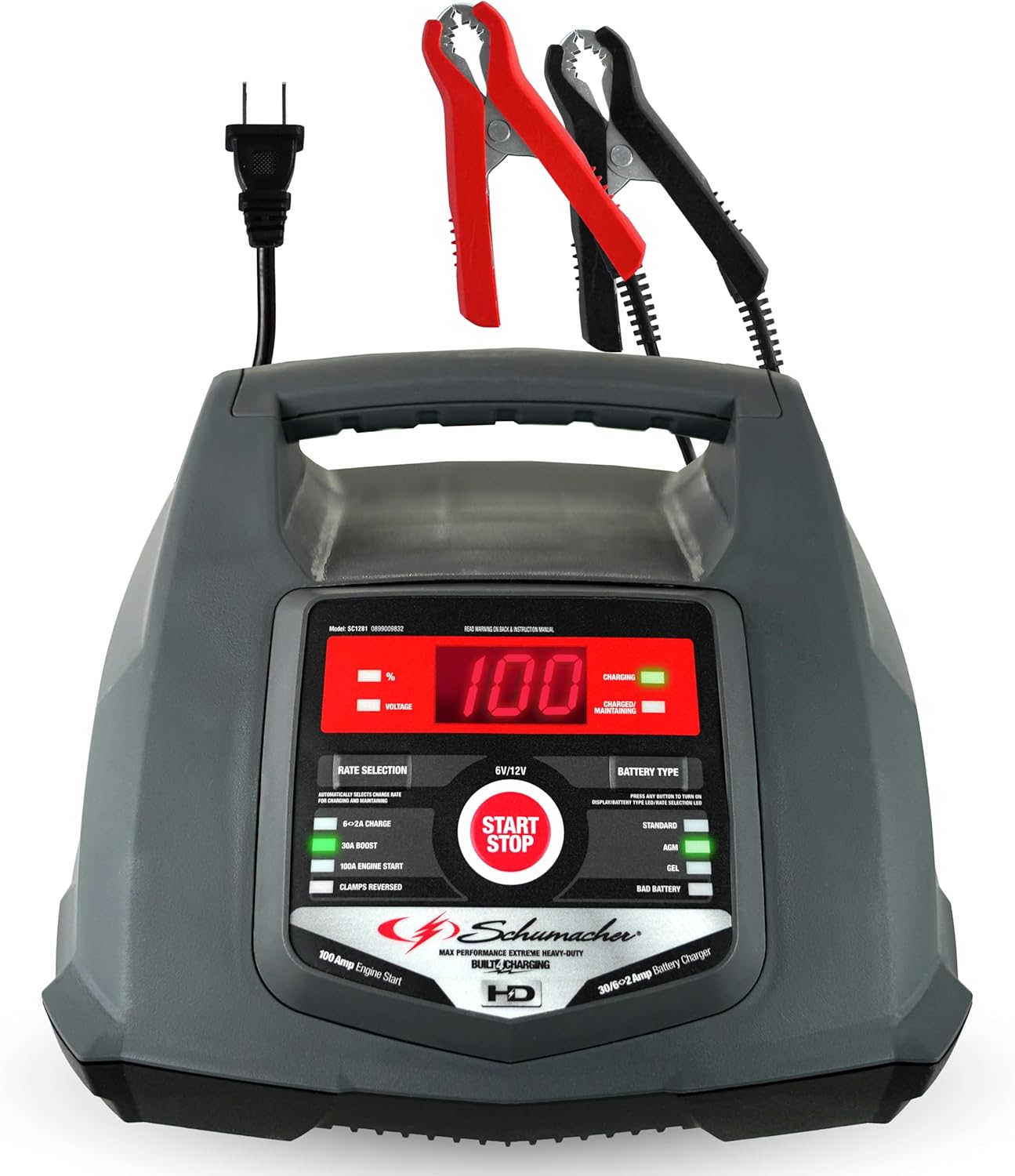
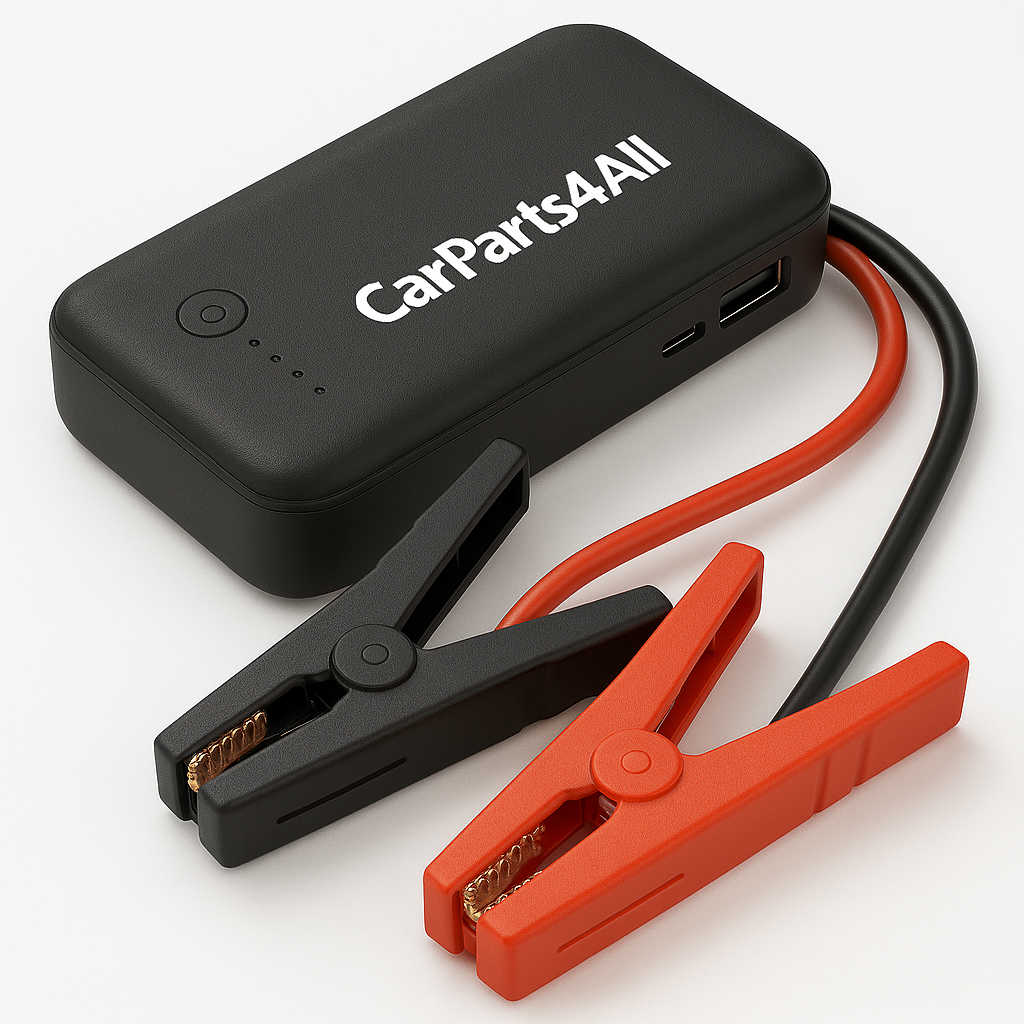
A portable auto charger isn’t just a convenience—it’s your silent roadside hero. Whether you’re rushing to work, picking up the kids, or cruising on a late‑night drive, a dead battery can bring everything to a halt. Having a charger on hand means you stay in control, avoid long waits for help, and keep your day moving without missing a beat. It’s small, powerful, and always ready when your car isn’t.
When evaluating portable auto chargers, here are the key specifications to look for to ensure performance, safety, and versatility:
🔋 Essential Specifications
| Feature | What to Look For | Why It Matters |
|---|---|---|
| Peak Amps | 1000A–2000A | Determines ability to jump-start different engine sizes (e.g., V6 vs. V8) onboard-charger.com |
| Battery Type Support | Lithium-ion, Lead-Acid (AGM, GEL, SLA, Flooded), LiFePO4 | Ensures compatibility with various vehicle batteries energyreservoir.com |
| Charging Voltage | 12V and 24V | Covers standard cars and larger vehicles like trucks energyreservoir.com |
| Charging Current | 10A–16A | Affects how quickly the battery charges energyreservoir.com |
| Charging Stages | 8–10 stage smart charging | Prevents overcharging and extends battery life energyreservoir.com |
| Safety Features | Reverse polarity, spark-proof clamps, overcurrent protection | Protects both user and vehicle onboard-charger.com |
| Display | LCD screen | Shows battery status and charging progress clearly energyreservoir.com |
| Extra Functions | USB ports, flashlight, air compressor | Adds emergency utility and convenience onboard-charger.com |
⚠️ Pro Tips
- Avoid low-amp models if you plan to support larger vehicles.
- Check cable length for ease of use in tight spaces.
- Look for pulse repair mode if you want to revive older batteries.
Categories:
Slider Post