
Power on the Go: The Ins and Outs of Portable EV Chargers
For many electric vehicle owners, “range anxiety” isn’t just about how far the car can go—it’s about what happens when you reach a destination without a dedicated charging station. While home wallboxes are the gold standard, a portable EV charger is your ultimate backup plan.
Here is a deep dive into the technology, durability, and practicalities of portable EV charging.
What is a Portable EV Charger?
Unlike a permanently mounted wallbox, a portable EV charger (often called an EVSE or Electric Vehicle Supply Equipment) is a cable-based system that allows you to plug into standard electrical outlets.
Most modern EVs come with a “Level 1” cord, but enthusiasts often upgrade to a “Level 2” portable unit for significantly faster speeds at campsites, hotels, or a friend’s garage.
Level 1 vs. Level 2: The Speed Factor
- Level 1 (120V): Plugs into a standard household outlet. It is slow, adding about 3–5 miles of range per hour. It’s best for overnight “emergency” top-ups.
- Level 2 (240V): Plugs into high-powered outlets like those used for clothes dryers (NEMA 14-30) or RVs (NEMA 14-50). These can add 25–35 miles of range per hour, making them viable for daily travel.
Key Features to Look For
To ensure your portable charger is actually “sturdy” enough for travel, prioritize these specs:
1. IP and NEMA Ratings
Since portable chargers often sit on wet pavement or in dusty garages, weatherproofing is non-negotiable. Look for an IP66 or IP67 rating, which ensures the control box is protected against high-pressure water jets and temporary submersion. The Webasto Go, for instance, is a top-tier choice for its high IP rating.
2. Adjustable Amperage
A “smart” portable charger allows you to lower the amperage. This is crucial if you are plugging into an older circuit or a shared outlet to prevent tripping breakers or causing electrical fires.
3. Thermal Management
The best portable chargers include thermal sensors in the plug head. If the outlet starts to overheat due to poor wiring, the charger will automatically throttle down or shut off to protect your vehicle and the building.
The Best Rugged Portable Chargers
- The All-Rounder: J+ Booster 2. Known for being “drive-over” resistant, this unit is built with aerospace-grade aluminum and can survive up to 6,600 lbs of pressure.
- The Compact Specialist: Webasto Go. It’s small enough to fit in a glovebox but tough enough to handle rain, snow, and extreme heat.
- The Budget Tank: While technically a wallbox, the Grizzl-E Classic can be used portably if ordered with a NEMA plug, offering the most durable cast-aluminum housing in the industry.
Safety First: The “Don’ts” of Portable Charging
- Avoid Extension Cords: Never use a standard household extension cord with an EV charger. If you must use one, it must be a heavy-duty, EV-rated cable to prevent melting.
- Inspect Your Outlets: Before plugging in at a rental or older home, check for signs of scorched plastic or loose fits in the outlet.
- Manage the Cable: Avoid leaving the cable where it can be tripped over or pinched by a garage door, which can damage the internal shielding.
When shopping for an EV charger keeps these things in mind
Key Specs to Look For
- Capacity (mAh): For daily use, 5,000–10,000 mAh is plenty. If you’re powering a laptop or staying off-grid for days, aim for 20,000+ mAh.
- Charging Speed (Watts): Look for at least 18W for fast-charging phones; laptops typically require 45W or higher.
- Safety Features: Ensure your charger has built-in protections against overcharging and short-circuiting.
Pro Tips for Longevity
To make your “sturdy” charger actually last its full 3–5 year lifespan, follow these rules:
- The 80/20 Rule: Try to keep your battery charged between 20% and 80% to maximize its cycle life.
- Avoid Extreme Heat: Never leave your power bank in a hot car or direct sunlight. Heat is the #1 enemy of battery health.
- Store Properly: If you aren’t using it for a while, store it in a cool, dry place at about 50% charge.
A portable EV charger is the “spare tire” of the electric age. By choosing a unit with UL certification and a rugged exterior, you ensure that no matter where you roam, you’ll have the power to get home.
Let’s go over a couple of options that are tried and tested.
_______________________________________________________________________________________________________________
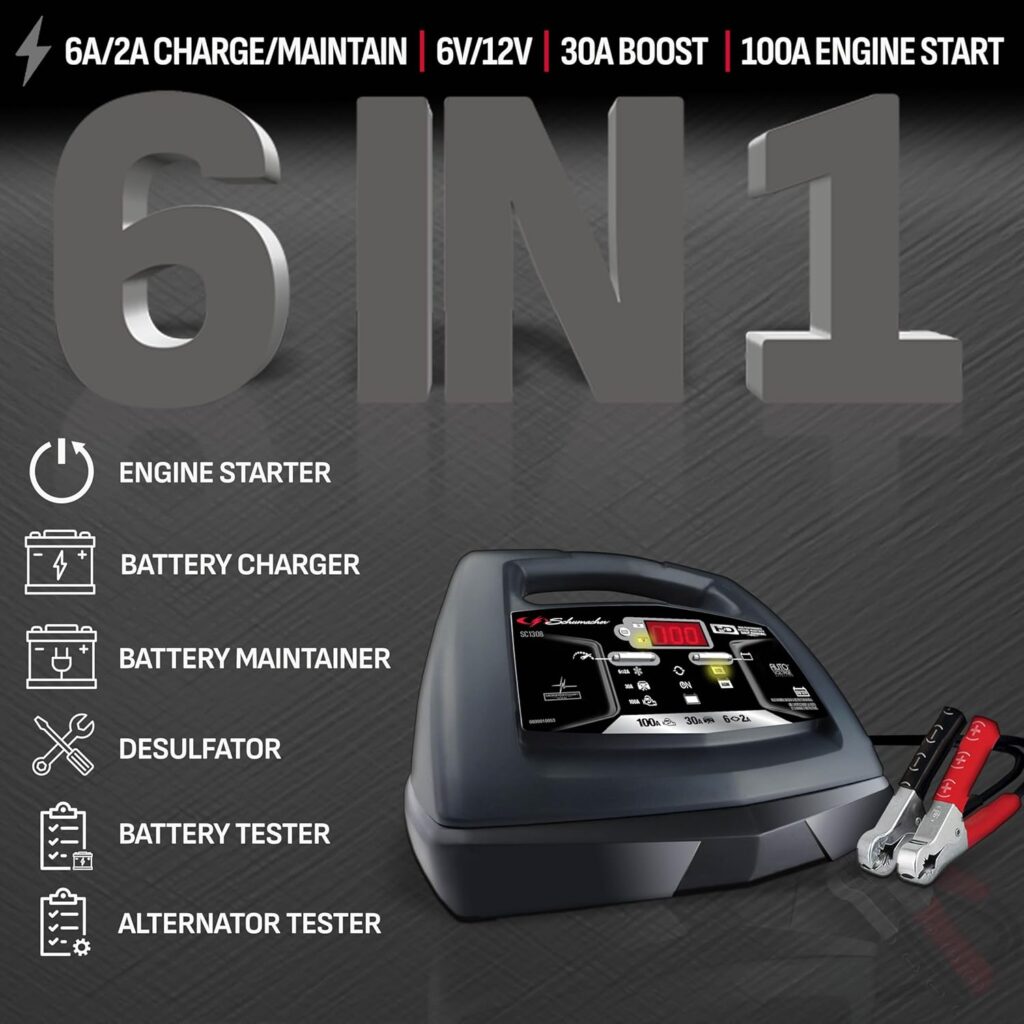
Schumacher Electric 6A Car Battery Charger and 100A Engine Starter, 5-in-1 Solution, Maintainer, 30A Boost, for 6V/12V Power Sport, Automotive, and Marine…
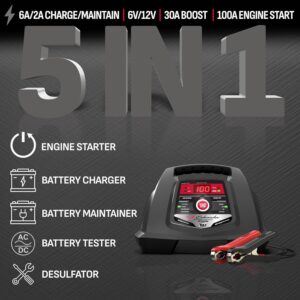
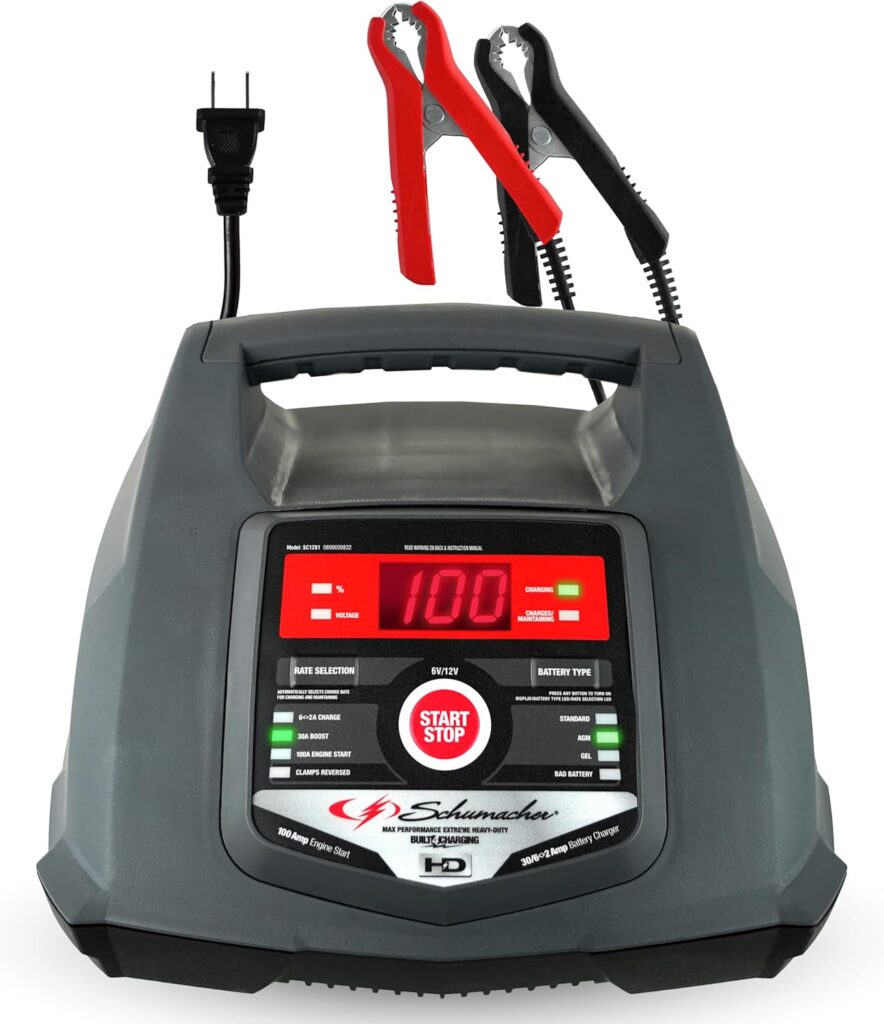
Color:Gray
Purchase our highly researched product here https://amzn.to/4tcabTQ
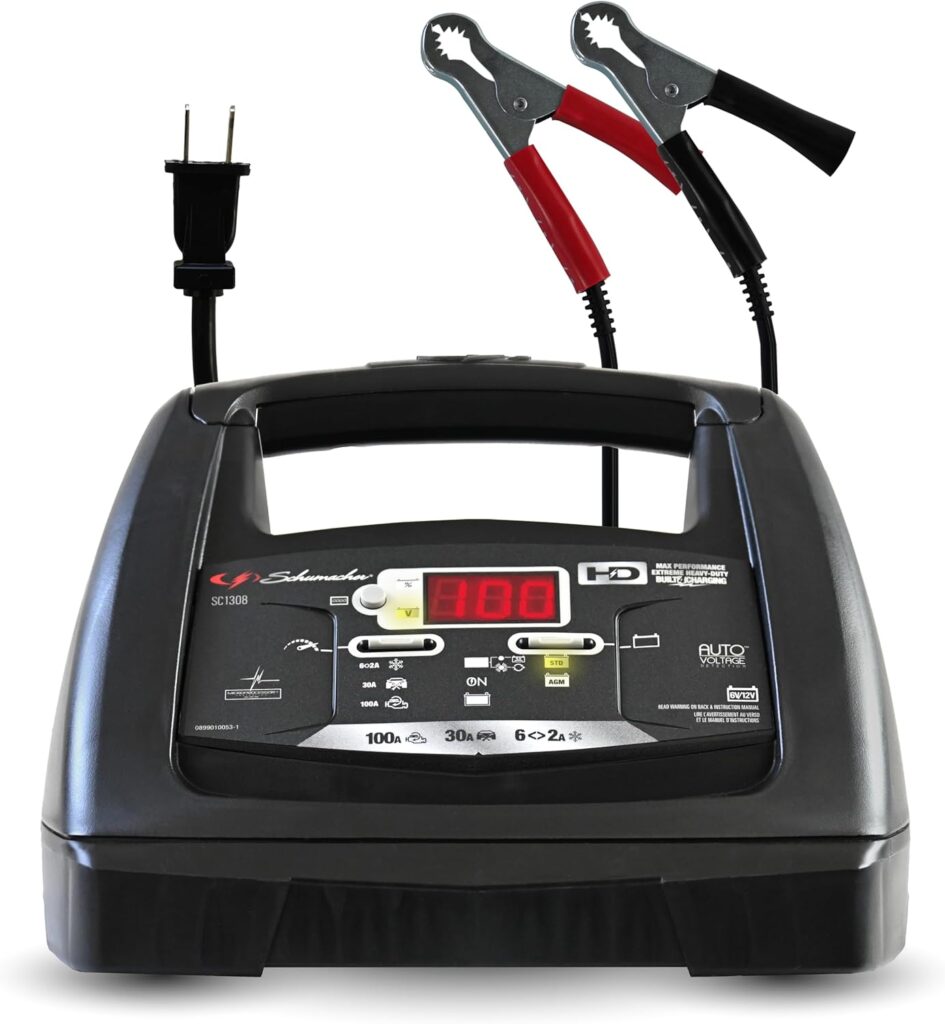
Schumacher Electric 6A Car Battery Charger and 100A Engine Starter, 6-in-1 Solution, Maintainer, 30A Boost, for 6V/12V Power Sport, Automotive, and Marine Batteries, SC1308
Purchase our highly researched product here https://amzn.to/4tcabTQ